

There is a common experience that I believe a lot of coffee drinkers can relate to. You purchase of a bag of coffee beans based on their flavor notes, only to find out that the coffee doesn’t taste like what you thought it would. Perhaps you’ve been intrigued by a coffee that had notes of blackberry or hibiscus or dark chocolate. But then you take the beans home, brew yourself a cup, and you have trouble discerning the flavors you were promised. And you wonder: were you lied to? Did you brew the coffee wrong? Or is your palate missing out on something?
We’ve all been there. The language the coffee industry uses for flavor doesn’t always match our experience of tasting. Thankfully, there are a lot of easy things you can do to develop your palate, discern what you like, and, yes, get better at coffee tasting. Whether you’re consciously trying to improve your sense of taste or simply want to understand a little better how coffee beans get their flavor notes, we have 5 pieces of advice for getting the most out of coffee tasting.

Tip #1: Drink Your Coffee Black
Let’s get this out of the way first. If you want to get the most of tasting coffee, then you have to drink it without additives or condiments. If you normally take your coffee with cream and sugar, or if you like a nice, sweet latte (no judgement here!), you should set aside the extras and get yourself a black coffee. This can be made on an automatic brewer. It can be poured manually on a V60 or a Chemex. You could get a French press, a Moka pot, an AeroPress, or an espresso.
What we’re trying to say is, there are a bunch of ways you can serve black coffee. In fact, we’ve talked about a bunch of them here on this blog if you want to learn more! But the main thing is that, if you’re doing an intentional tasting, you should drink it black. If you’re not used to it, we invite you to set aside your concerns about bitterness and try something new.

Tip #2: Smell First
Before you take your first sip of coffee, smell it first. Breathe in the aroma of the cup. Smelling first opens up our olfactory senses, which in turn amplifies our sense of taste. So, take note of what you smell. Is it fruity? Nutty? You’re likely to pick up on some flavors imparted to coffee beans by the roasting process. Hopefully it will smell fresh. But most importantly, smelling first primes your taste buds and gives you a well-rounded sense of the flavor of your coffee.
Bonus: If you’re tasting coffee that you yourself are making at home, take a moment to smell the freshly ground beans before you brew. First, it’s often delightful. But second, you can do a little comparison between how the grounds smell and how the finished brew smells. The brewing process activates other flavor compounds present in coffee beans, so you’re likely to detect at least a little difference.

Tip #3: Let It Linger
When you take a sip, let the coffee sit on your palate for a little bit. Spend some time searching for flavors. Here you might start sensing the acidity level of the coffee. In other words, you’ll pick up on how bright, fresh, and potentially fruity the flavor is. See if those fruity notes are tropical, or dried, or berry-like. As you taste, are you getting anything you don’t particularly like? There are both pleasant and unpleasant categories of flavor you can draw from to decide what how you feel about your coffee.
As the coffee lingers, you’ll also pick up how the texture of the coffee feels on your tongue. Coffee can be light and tea-like. Or it can be heavy and drying. You can pick up on texture, or mouthfeel, at the same time as the flavor. And all these things contribute to the impression the coffee will leave.
In addition to lingering on the taste, don’t skip the aftertaste! Once you swallow, what sort of flavors stick around? What sort of textures? A coffee that has a medley of flavors may have just one that dominates in the aftertaste. The coffee might be so light in body that it practically disappears off the palate in the aftertaste. All the steps combined – smell, taste, and aftertaste – contribute to the experience of tasting coffee.

Tip #4: Compare Two or More
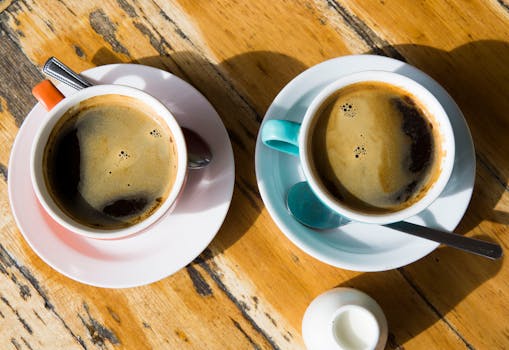
You can absolutely have a thorough and delicious coffee tasting experience with just one serving. But if you’d like to add another dimension to your tasting, consider drinking more than one at once. Brew yourself two cups made with different beans. Contrast can tell us a lot about the flavors and texture of a coffee. Does one taste sweeter than the other? Does one taste more like bread or toast? How does the body of the coffee change from one cup to another?
You can do this several ways. Maybe instead of two different coffees, use two different brew methods, if you have the means. How does one batch of beans taste on AeroPress as opposed to French press? Here you can learn a lot about how the parameters of your brew change a coffee’s taste. Or, if you have the opportunity, order a flight from a local coffee shop.

Tip #5: Write It Down
Throughout every step of the process, write down what you’re tasting. When you’re focusing on the aroma before the first sip, record what you smell. Jot down flavor notes, textural qualities, and what lingers on your palate in the aftertaste. Go a step further and write down not just what the coffee beans and where they came from but how they were brewed. Where did you get them? How far past the roast date were they brewed? This is an opportunity to start your own coffee tasting journal. If you really want to track how tasting changes from cup to cup, this is the best way to recall it.
Conclusion
Tasting coffee is both simple and endlessly nuanced. We tend to know whether we like or not like something pretty quickly. But taking time to intentionally taste can develop our palates. It teaches us about this drink that we love and sometimes take for granted. And it teaches us about ourselves. We can use more precise language to describe why we like or don’t like a cup of coffee. Tasting ultimately deepens our relationship to coffee, and we hope that you enjoy every moment of it.
Resources
If you’re interested in getting more into tasting coffee, here are some resources we recommend checking out:
- While there’s nothing wrong with using your own notebook paper, there are a lot of coffee tasting journals out there that format their pages to guide you through a tasting experience. Here’s one we like that we featured on our budget-friendly coffee gift guide.
- For a vocabulary reference, the Coffee Taster’s Flavor Wheel is a good place to categorize the flavors we detect in coffee. Like all guides, this does not include every descriptor we can use for coffee. But this is a widely used resource in the specialty coffee industry, and it can help point you in the right direction.
- For a book about coffee tasting, look no further than How to Taste Coffee: Develop Your Sensory Skills and Get the Most Out of Every Cup by Jessica Easto. Easto is an excellent bridge between the average coffee drinker and the more technically minded world of specialty coffee. In addition to explaing how and what we taste in coffee, Easto includes palate exercises that can help sharpen your sense of taste.